
Dental Implants
If you have any questions, please email U Dentistry here.

Martin Harris BDS
Registered: GDC
Registration No: 70567
So what are dental implants?
Essentially dental implants are an anchor, usually made of titanium which are inserted in a minor surgical procedure into the jaw bone. Once in place the patients bone effectively knits with the implant surface creating a very strong attachment, a process termed osseointegration.
Implants act as anchors and can be used in a variety of ways from supporting a single tooth through to supporting a larger number of teeth as implant retained bridges. Implants can even be used in small numbers under dentures which can significantly enhance confidence and ability when eating and speaking – such treatments can often be life changing.
Why Choose Dental Implants
Tooth loss is something that very few of us will avoid. What will differ is which tooth, how many and at what age we suffer the loss? The effect of tooth loss can have a major impact on the comfort and confidence that an individual will have about their teeth and about their smile. Traditionally dentures and bridges were the mainstay for tooth replacement but dental implants are now viewed as routine and the gold standard option.
- Has tooth loss impacted on your confidence?
- Since tooth loss have you had to avoid certain foods that you know will be a struggle to chew?
- Do you have loose or ill fitting dentures?
If you have been affected by tooth loss in any of these ways, then perhaps dental implants may offer the solution to your problems.
What's Involved?
Success with dental implants starts with comprehensive assessment and planning. At U Dentistry we offer a free of charge dental implant consultation to establish if you are a good candidate for the treatment, in reality implants are not appropriate for everyone as risk factors exist that can influence success rates. Where risk factors such as smoking and other health issues exist that can be influenced or eliminated, it's in everyone’s best interests to establish this right at the beginning and address them where we can.
Work We've Done
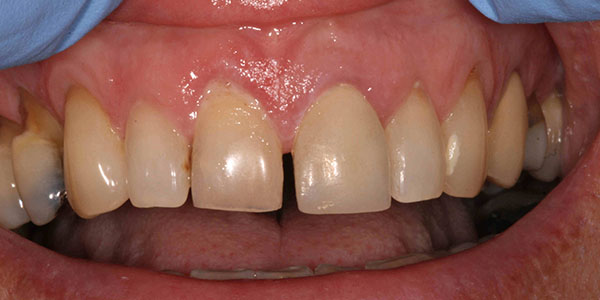
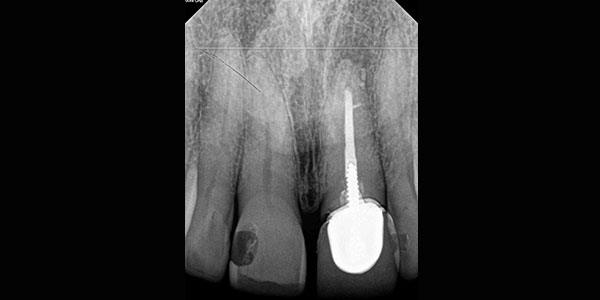
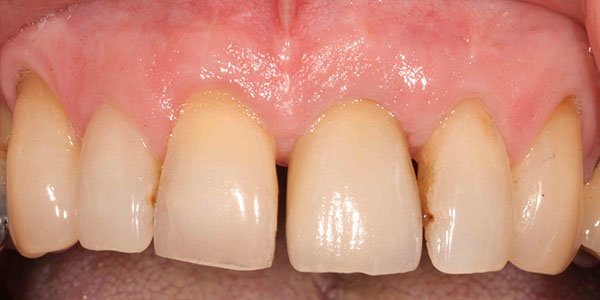
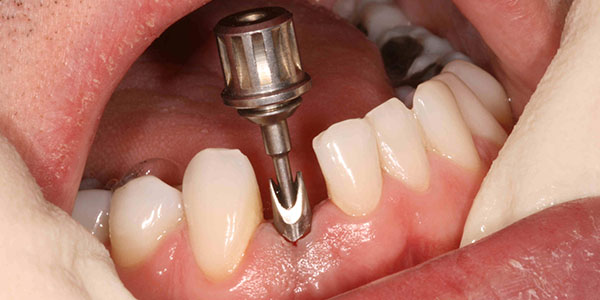
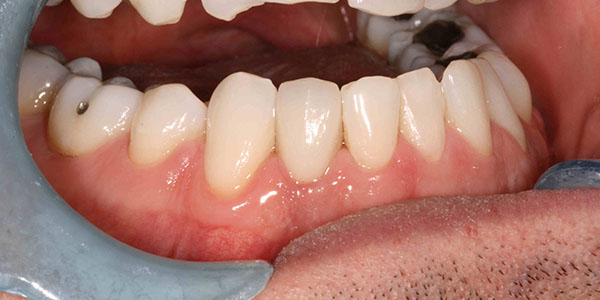
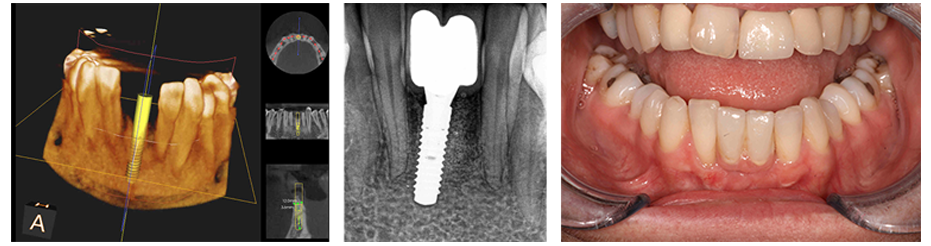
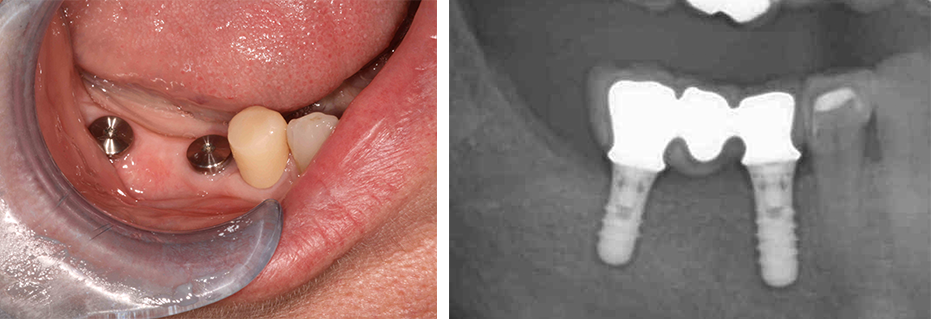

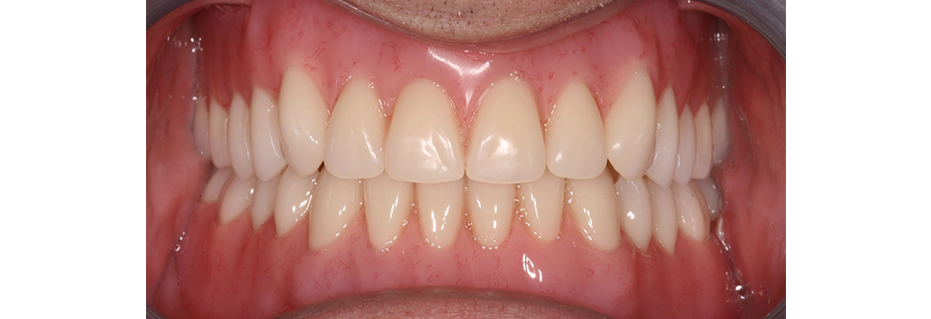
Modern Assessment
Modern assessment has a variety of stages beginning with discussion, and visual examination. Radiographic assessment is an essential part of the process and usually involves the taking of a small cone beam CT scan to give a 3D computerised model of your jaw and reveal important anatomy and features that may be relevant in the planning of your case. In 2015 U Dentistry invested in a state of the art cone beam CT scanner allowing us to provide a complete and efficient in house assessment experience.
A Gentle Process
The surgery itself is a gentle process most often performed under local anaesthetic very much as you’d expect for a filling or extraction. Recovery is always a surprise to patients, on the day of treatment some analgesic assistance may be taken but often isn’t required, by the following day very little in the way of discomfort is anticipated. Completion of your implant retained teeth follows usually after a period of healing, these later stages are non surgical.